July 27, 2026
This morning finds us cruising along the edge of the polar ice cap off of NW Spitzbergen. I took a long, hot shower contemplating how this could even be possible and what the early Arctic explorers would think. We really are an amazing species-throw us naked in the savannah a few million years ago and our brilliant, greedy brains find a way to create a warm shower at the edge of the North Pole.
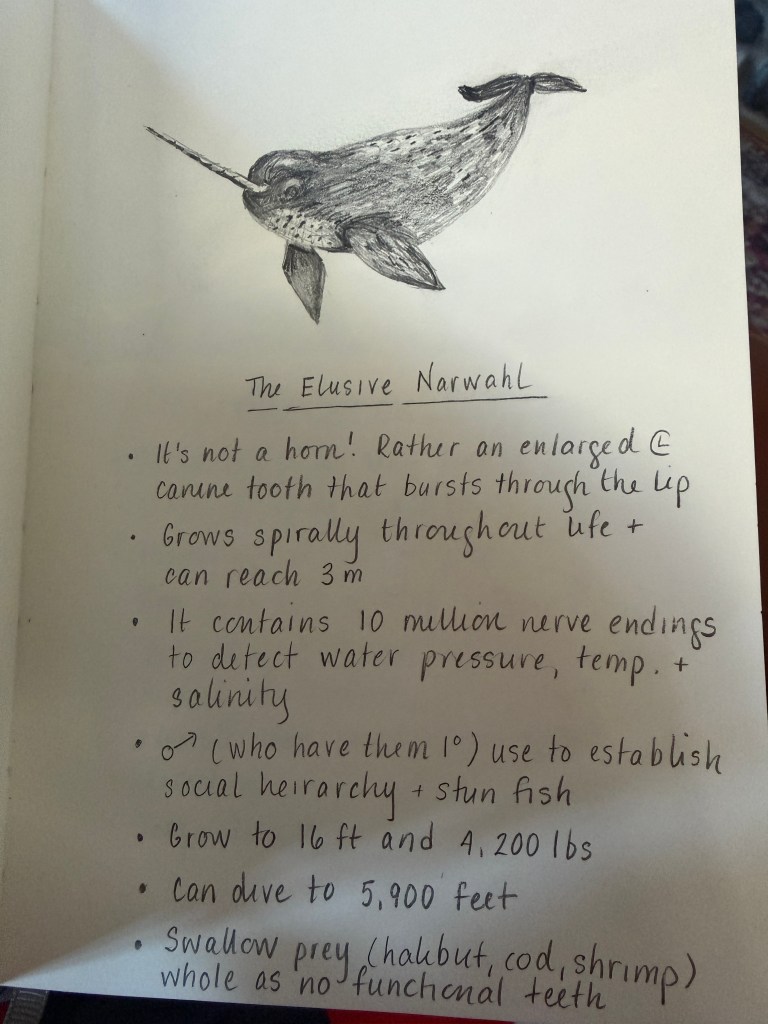
Today we are searching for polar bear, beluga and narwahl. We have hopes for the first two, but it’s generally not a good sign when the official Svalbard wildlife guide has only an illustration. My own was a little more informative.
Yesterday we had a glacier extravaganza. In the early morning we anchored off the Schmeerenburgbreen glacier, actually a confluence of seven different glacial tongues making their way to the ocean.
The morning was calm, and we took a zodiac cruise through the brush ice admiring the reflections of the peaks in the stillness.
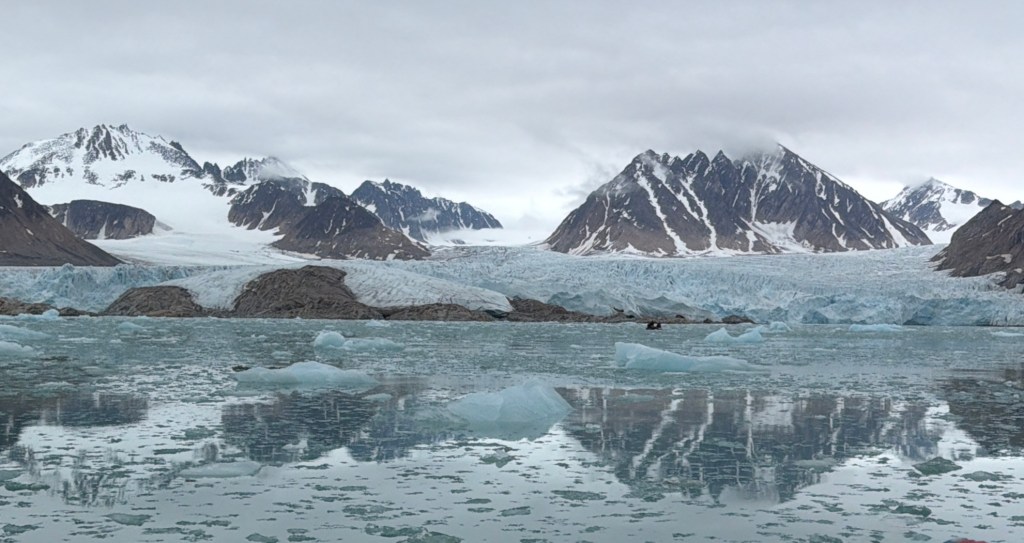
Glacial thunder sounded occasionally, but we saw only a few small calvings. Within the glacier itself are rivers and lakes, and often the sounds we hear are internal.
Post-cruise, it was determined that the glacier was not very active, and our captain, described as “adventurous” by our expedition leader, decided to pull closer to the glacial face. Erich and I stood on the bow and worried as we drew closer and closer.
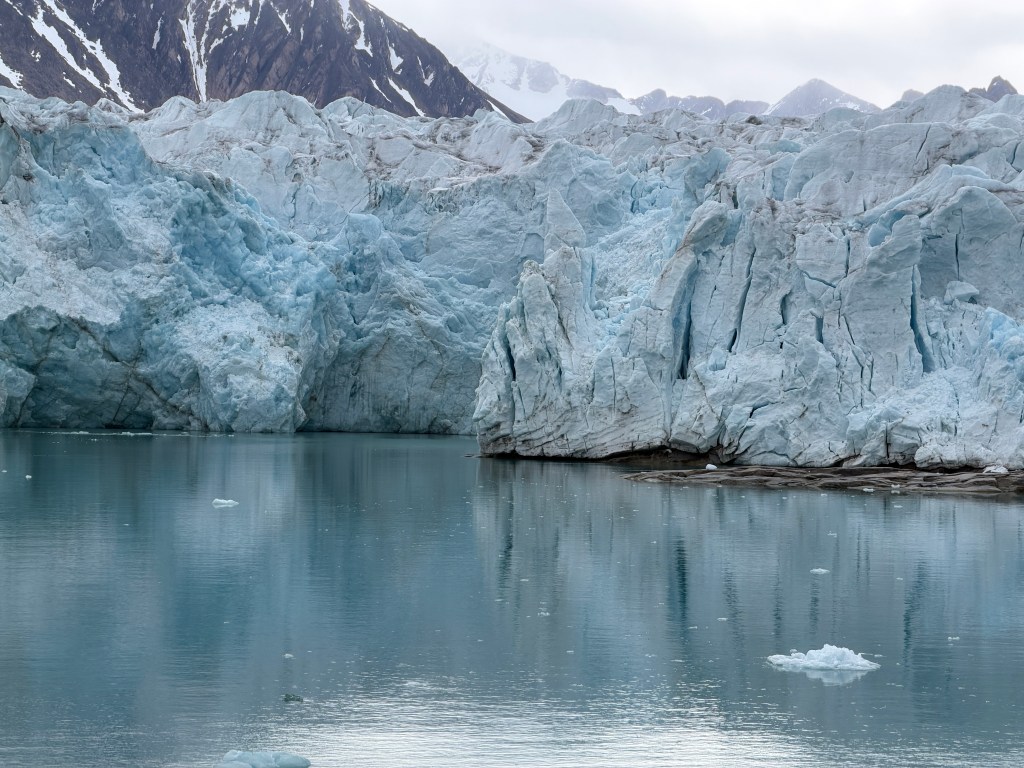
Many of the areas around Svalbard remain uncharted, and we were told that each cruise adds data to the existing charts. Equipped with front-facing sonar, and a variety of other navigational aids, we were pushing the boundaries to add more data.
As it turns out, we were still in 900 feet of water about 200 yards from the glacier. We passengers crowded the bow in silence, taking it all in.
The afternoon brought us to Schmeerenburg, established as a whaling port by the Dutch in the early 1600s. It once supplied much of Europe’s whale oil, and brought the first street lights to Amsterdam in the mid 1600s.
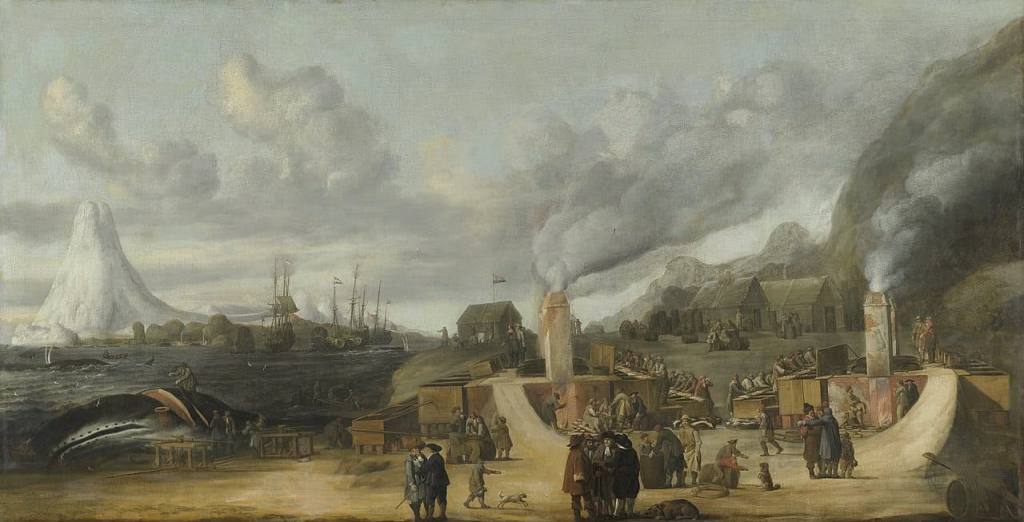
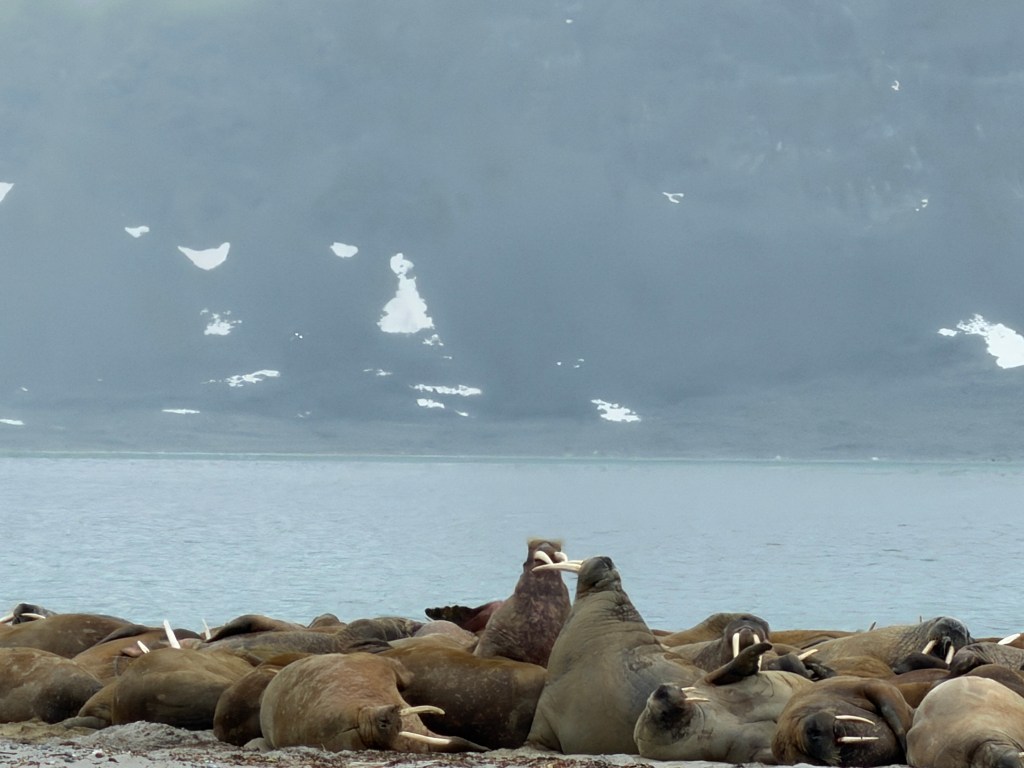
Today it is a lonely sand spit populated by walruses and seals. In fact, our zodiac had to turn sharply to avoid two large walruses that surfaced in our path en route to the large haul out at the tip of the spit.
All that remains of the settlement today are large blubber pots made of local rock and surrounded by centuries-old charred and hardened blubber. Easy to miss if you didn’t have someone pointing it out to you.
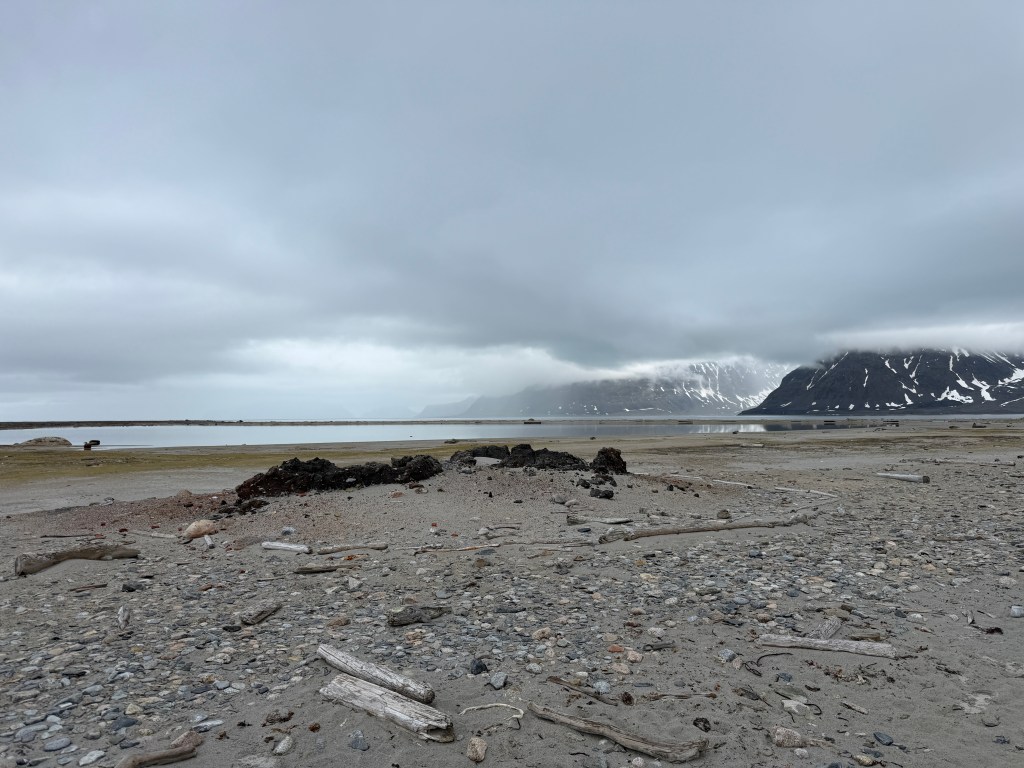
The surrounding landscape was the usual dramatic black and white craggy peaks, today draped with fog. The shifting light over the scene was like a series of Ansel Adams photographs-grand and raw-and we, now nearing the end of our trip, stood in the light rain and soaked it all in.


Leave a Reply